
Options for Aluminum Profiles

Colors create mood, influence the atmosphere of a space, and highlight architecture. Various technologies exist for treating plastic and aluminum profiles. Before choosing your dream design, it is advisable to familiarize yourself with them. So, what surface treatment technologies are available for profiles?
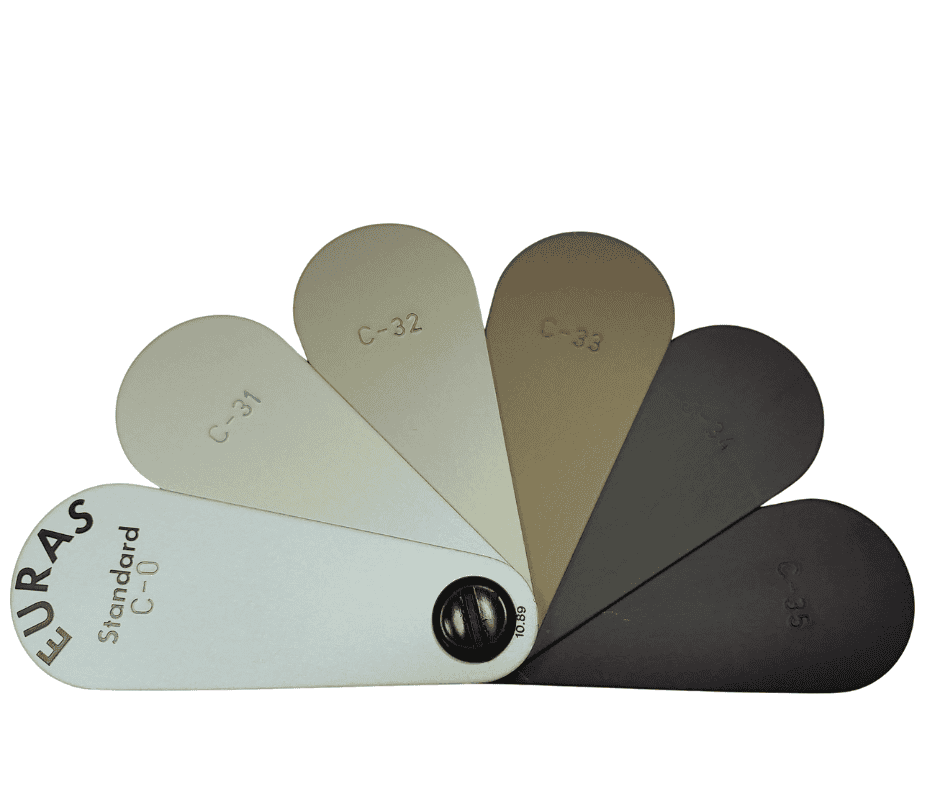
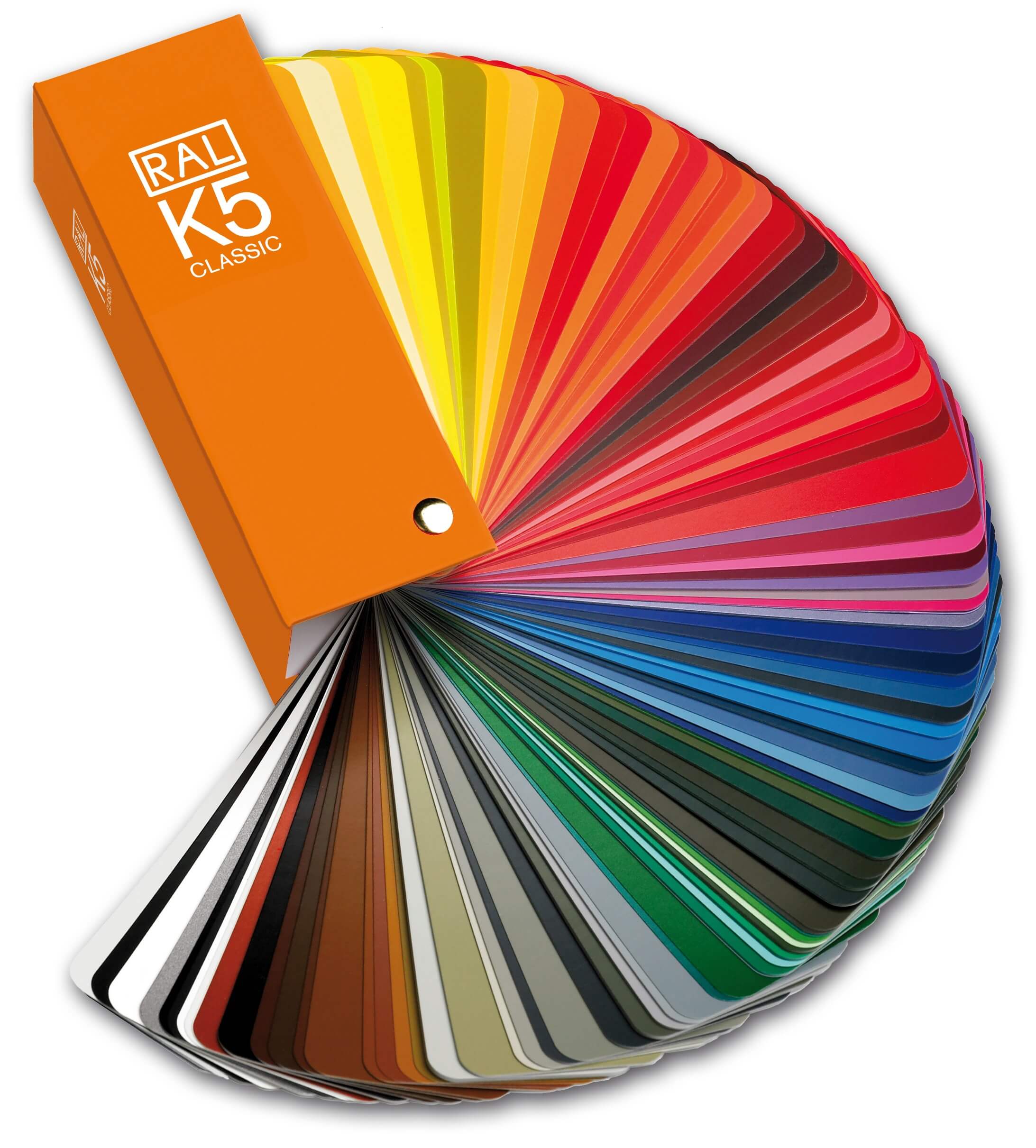
Aluminum is a metal that can protect itself against corrosion by forming a layer of aluminum oxide on its surface through reaction with atmospheric oxygen. However, such a naturally formed layer is very thin and uneven. To prepare aluminum for further use, to make it corrosion-resistant, and to give it a sufficiently strong surface, it needs to be treated. Two technologies are used for the surface treatment of aluminum profiles: powder coating and anodizing.

Anodizing (Anodic Oxidation)

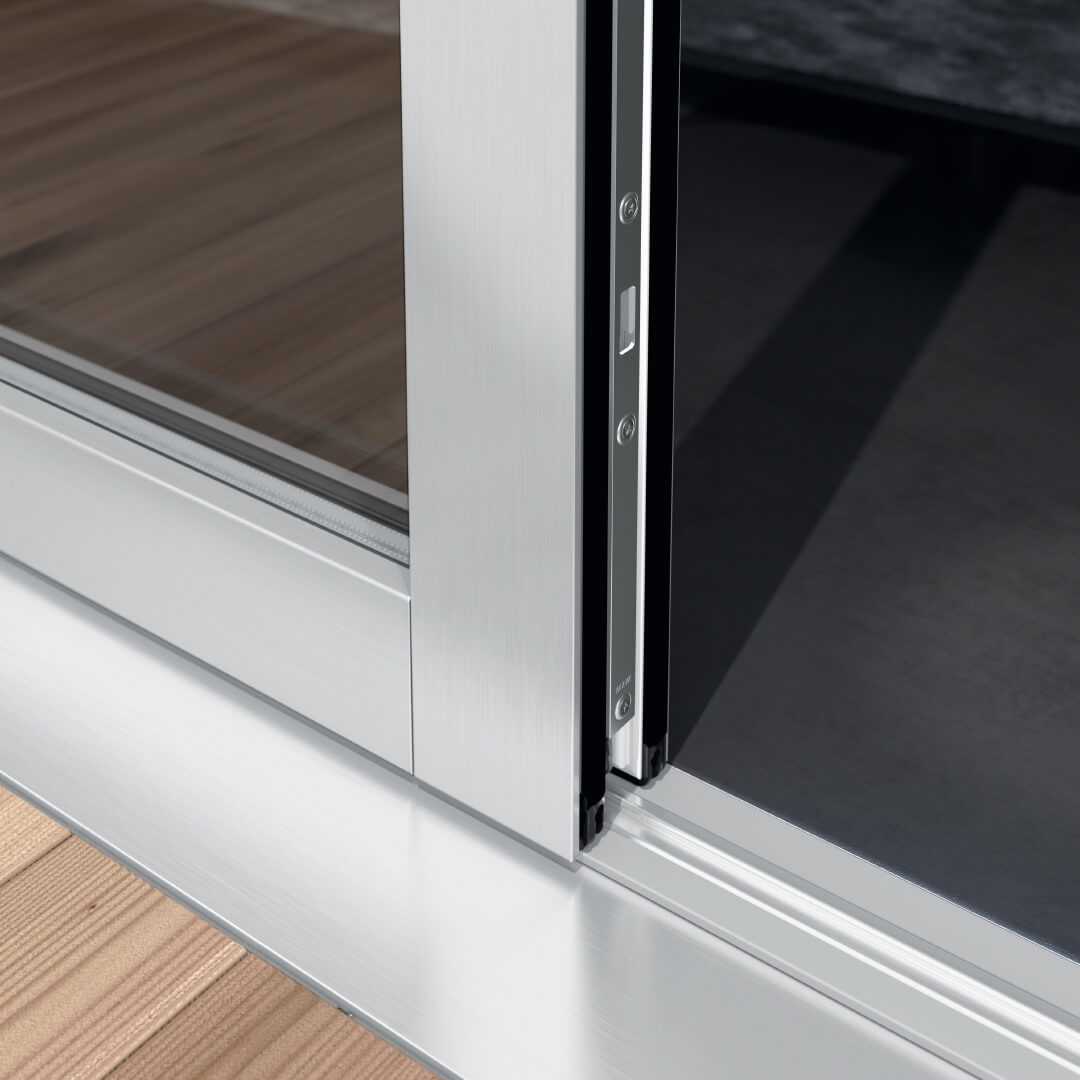
Anodizing is a long-known electrochemical process that creates an aluminum oxide layer on the surface of aluminum. This layer is up to a thousand times thicker than the layers that naturally form on the aluminum surface. The uniform and controlled thickness of the oxide ensures reliable protection against corrosion, increases strength, abrasion resistance, and the overall durability of the material. With the use of dyes, anodizing can achieve a range of color shades, such as from silver, through various shades of brown, to black.

Powder Coating

Powder coating is a technology that allows aluminum profiles to be color-treated to any shade according to the RAL color chart. The paint is evenly applied electrostatically as a powder to a specially pre-treated profile, and then the layer is baked in an oven at approximately 250 °C. This creates a highly durable, strong, and color-fast surface resistant to corrosion. Currently, the technology allows for the application of not only basic RAL shades (about 210 colors) but also specialties such as pearlescent, metallic colors, wood-imitating colors (DECORAL, NATURALL), or colors with a fine texture.

Options for Plastic Profiles

Unlike aluminum profiles, plastic (PVC) profiles do not necessarily require treatment. Classic and still popular white windows are made from profiles without any surface treatment. However, there is a surface treatment for PVC that offers a spectrum of color possibilities.

Lamination

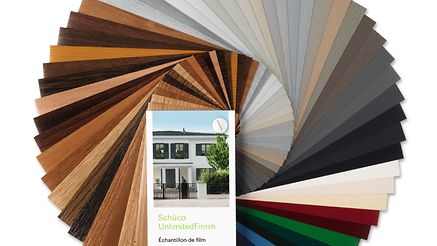
Simply put, it involves applying a special film to the plastic profile. The films used for this purpose are always treated with a transparent acrylic layer that protects them from external influences. A wide range of films is available on the market. In addition to the still popular wood decors that imitate wood, standard pastel colors are also available in smooth or textured finishes.

Aluminum Clip (Alu-clip)

If the selection of films is insufficient, the use of an Alu-Clip is available for plastic profiles. A standard plastic profile is externally “clad” with an aluminum shell. The surface of the aluminum shell can be treated in the same ways as a standard aluminum profile (anodizing and powder coating).

Do you have further questions? Contact us

ALUPLAST s.r.o. – Windows with a world view. Done right since 1993