

 Home
HomeWith the arrival of autumn, many people notice their windows fogging up – sometimes on the inside, other times on the outside. This is not merely an aesthetic issue but often a matter of living comfort. Let’s explore why windows condense, when condensation is completely natural, and when it signals that something in the interior is not functioning optimally.
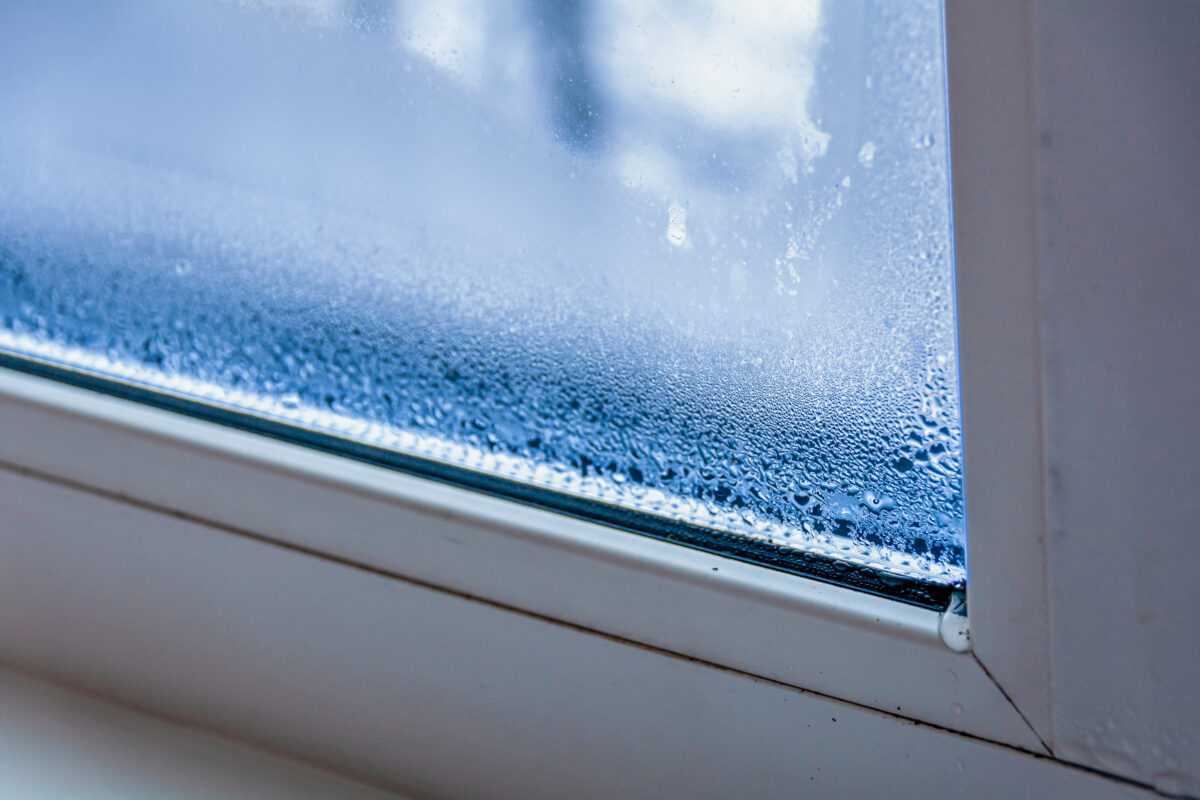
Exterior Window Condensation – A Sign of Quality, Not a Problem
If you wake up in the morning and your windows are fogged up on the outside, there is no cause for concern. On the contrary – it is a sign of good thermal insulation.
Exterior window condensation occurs primarily during transitional periods (spring, autumn) when the outside air is cold and humid. Because modern windows with insulating triple glazing hardly transfer heat from the interior, the outer pane of glass remains cold. When its temperature drops below the dew point of the air, moisture from the air condenses on the glass surface.
Therefore, such exterior window condensation is an indication that your insulating glass units are functioning correctly.
Interior Window Condensation – Most Common in Autumn
If windows condense on the inside, the principle is similar, but interior condensation is often undesirable. Let’s look at why condensation occurs and what can be done about it.
Indoor humidity transforms into water droplets upon contact with a cold surface. This phenomenon intensifies in autumn when heating has not yet begun, but outdoor temperatures are already dropping. The glass surface cools down, while humidity accumulates indoors – for instance, from cooking, showering, drying laundry, or even breathing.
Windows may then condense, especially in the morning or evening. This is not a fault of the window but rather a lack of air exchange.
Ventilation Against Window Condensation
The most effective way to eliminate window condensation is proper and regular ventilation.
It is recommended to use short and intensive ventilation (3–5 minutes) with a draft, instead of leaving windows slightly open all day. This quickly exchanges the air without significantly cooling the walls.
With modern windows, it is important that the sealing functions perfectly, but at the same time – if the house lacks natural air infiltration, it needs to be supplemented (e.g., by micro-ventilation, heat recovery, or regular airing).
Window condensation in winter often occurs in new builds precisely because the structure is still “drying out.”
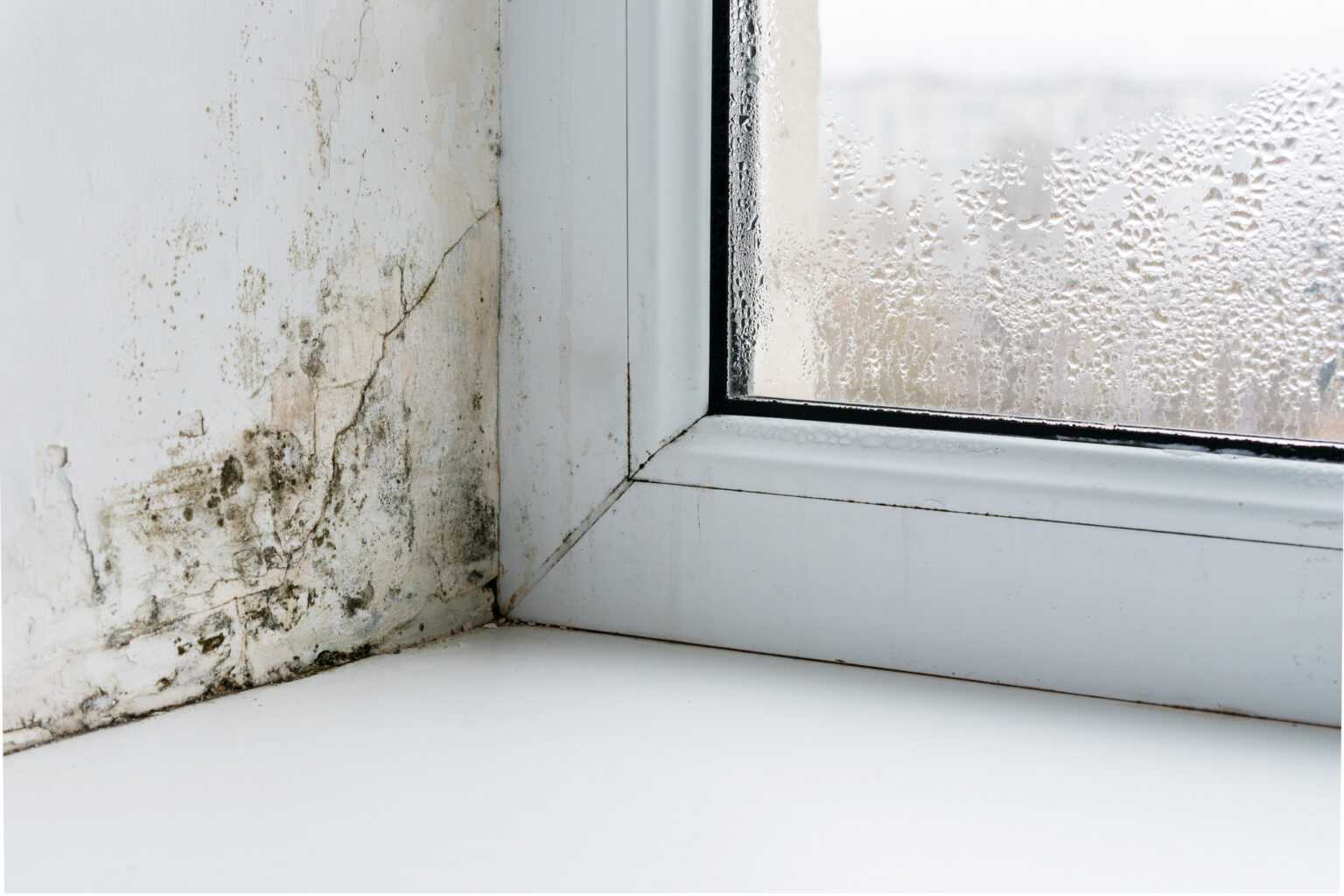
Other Causes of Interior Window Condensation
If windows condense despite regular ventilation, other factors may also be to blame:
- Insufficient air circulation – if the window is covered by curtains or furniture.
- High humidity in the house – a new build drying out, after extensive renovation, intensive laundry drying, cooking, etc.
- Poorly installed windows or sills that reduce the surface temperature of the profiles and glass.
In extreme cases, condensation between the panes of glass also appears – however, this is already a technical defect of the insulating glass and requires glass replacement.
How to Prevent Window Condensation in an Apartment or House
Here are some simple tips to prevent window condensation:
- Ventilate regularly and briefly.
- Do not cover windows with curtains or furniture.
- Use an extractor hood with an external vent, a dehumidifier, or a heat recovery system.
- Maintain indoor humidity below 50%.
- Check window seals and adjustments.
Conclusion: Window Condensation Is Not Always a Problem
While exterior window condensation is a common phenomenon and proof of quality insulation, interior window condensation signals that too much moisture remains in the space.
Fortunately, most cases can be resolved by proper ventilation and maintaining a healthy indoor climate.

You might be interested in