

 Home
HomeThe latest architectural trends bring solutions that help mitigate these problems. Cities are seeing the emergence of green and climate refuges aimed at protecting residents from heat waves. These spaces combine greenery, water features, and shading systems to reduce temperatures in urban areas affected by the urban heat island effect. Buildings are being designed with green roofs and vertical gardens. These absorb carbon and reduce temperatures in cities. They also help reduce stormwater runoff and increase biodiversity. In cities threatened by rising sea levels, solutions such as floating cities and mangrove forests are being utilized, functioning as natural protective barriers against storms and floods.
Reducing Carbon Throughout the Building Lifecycle
Unfortunately, the construction industry is among the largest contributors to CO₂ emissions. According to the International Energy Agency (IEA), the construction sector is responsible for 39% of global CO₂ emissions, of which 28% comes from building energy consumption and 11% from the production of construction materials. This figure includes the production of cement, concrete, steel, plastics, and glass, which are fundamental materials in construction.
In addition to emissions directly associated with construction processes, so-called embodied carbon is also important. This is the carbon released into the atmosphere during the production, transportation, installation, and disposal of building components. The term is also known as carbon footprint. The construction sector is striving for decarbonization (reduction of carbon footprint) by using recycled materials and energy-efficient solutions.
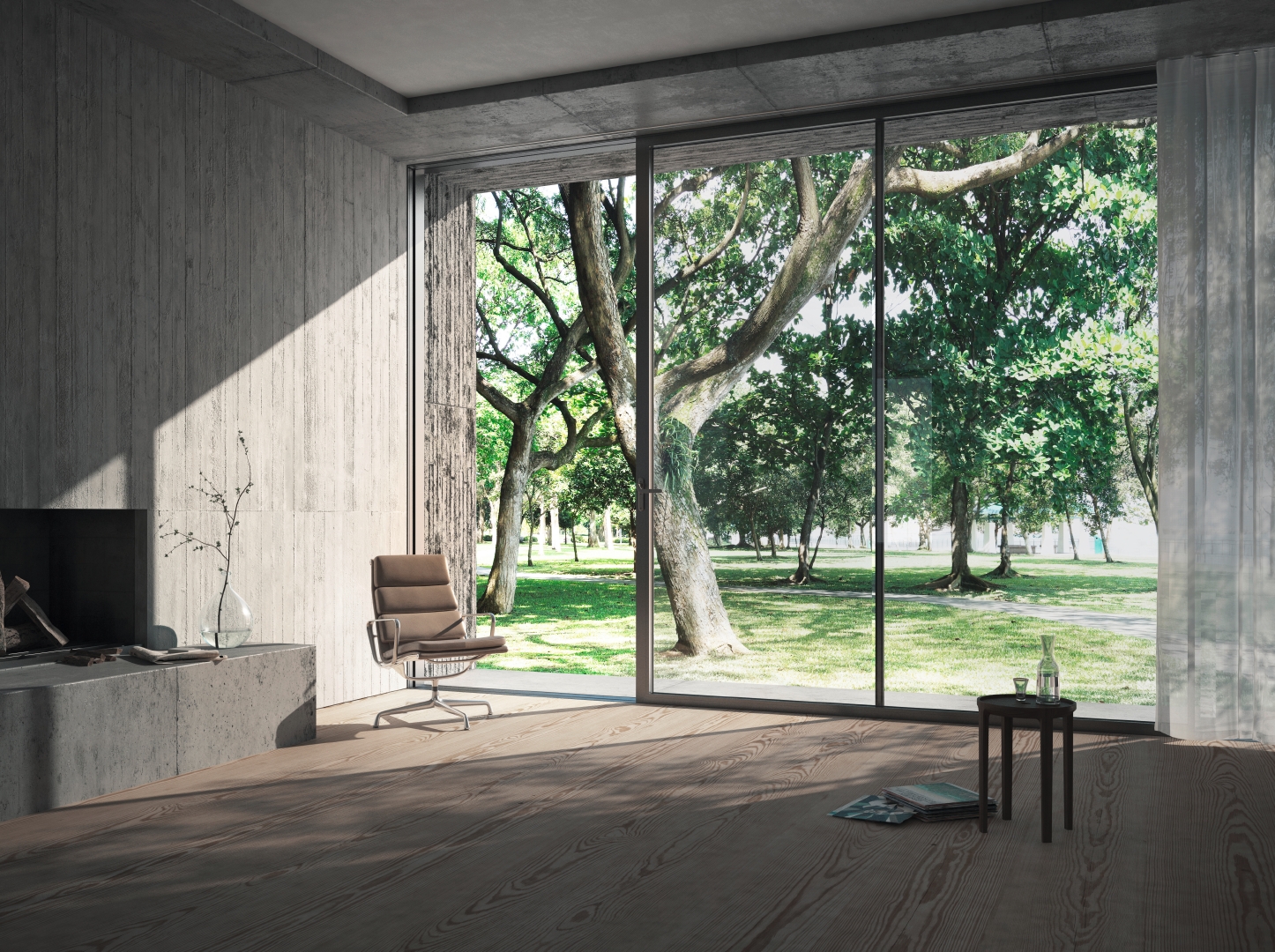
PVC, Aluminum, or Wood? Comparing the Carbon Footprint of Windows
If you are selecting windows and considering the carbon footprint of different solutions, we can help you with a comparison:
-
Wooden windows: Wood is a renewable material with a low carbon footprint, provided it comes from sustainably managed forests. Wooden windows require regular maintenance and have a shorter lifespan compared to PVC and aluminum.
-
PVC windows: Recycled PVC is advantageous in terms of cost and sustainability. The recycling process reduces CO₂ emissions, while PVC has excellent insulating properties, helping to save energy on heating and cooling buildings.
-
Aluminum windows: Aluminum has a higher carbon footprint compared to wood and PVC, mainly due to the energy-intensive production process. However, recycled aluminum, which is also offered by our profile supplier SCHÜCO, has a significantly lower carbon footprint and can be repeatedly recycled without loss of quality. Aluminum’s longevity and resistance to weather conditions make it a long-term investment.
SCHÜCO Profiles: A Leader in Sustainable Solutions
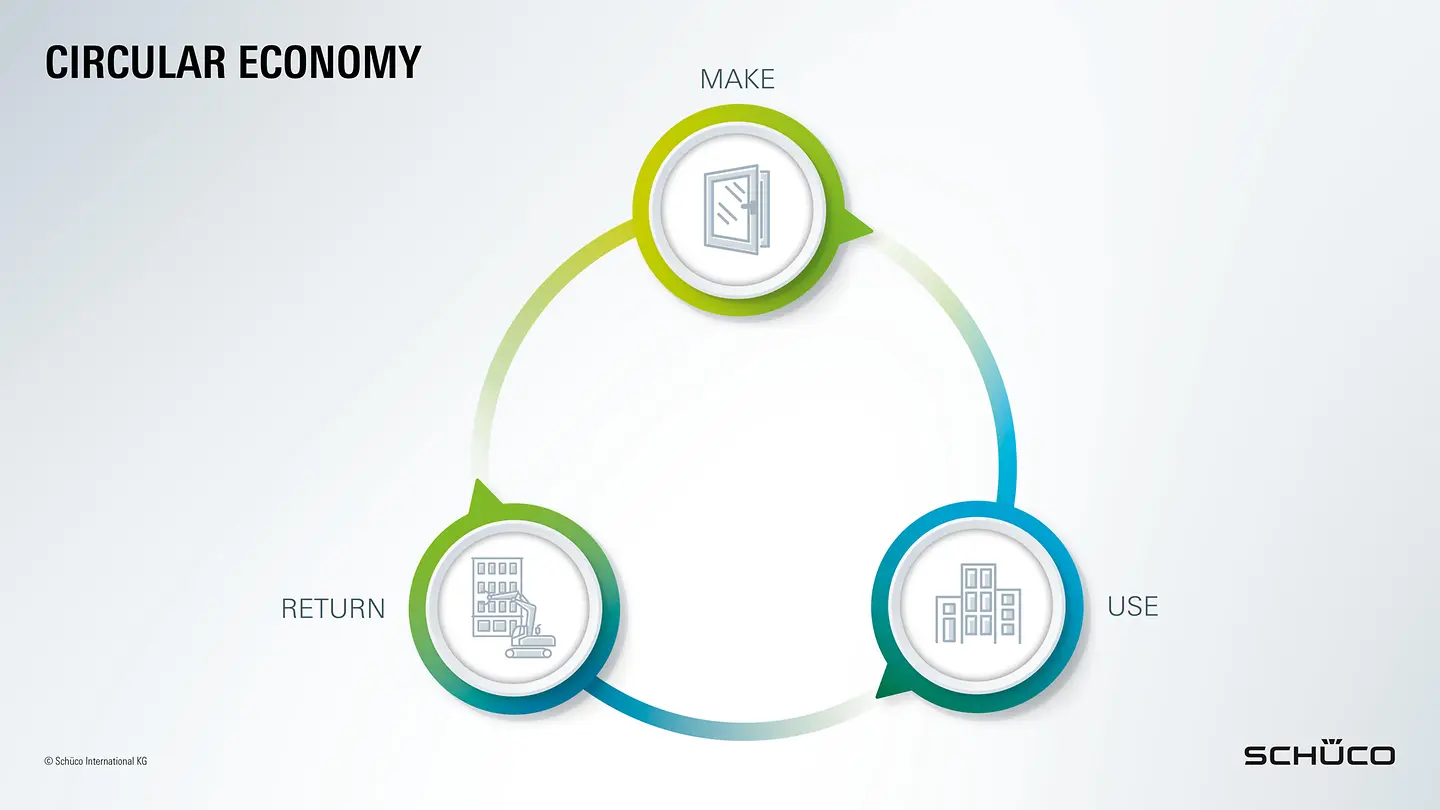
SCHÜCO actively reduces its carbon footprint through the use of recycled materials. The company has also received several prestigious awards for its green solutions in construction. For example, the award for sustainable solutions at the Green Good Design Awards. This program recognizes products that make a significant contribution to environmental sustainability and innovation. SCHÜCO is also involved in the Cradle to Cradle program, which supports the circular economy and the use of materials that are fully recyclable.
We have been manufacturing windows from SCHÜCO profiles for over 30 years with care and craftsmanship. As a family business that cares about the future of our planet, we are proud to use recycled materials.
What Recycled Materials Can We Use in Manufacturing Our Windows?
-
Recycled aluminum: Low Carbon (LC) and Ultra Low Carbon (ULC) aluminum profiles, which contain up to 75% recycled aluminum. This material has a much lower carbon footprint than new aluminum raw materials. Recycled aluminum is durable, long-lasting, and can be repeatedly recycled without loss of quality.
Low Carbon (LC) refers to materials that are manufactured with low carbon emissions, meaning a low carbon footprint. Aluminum or other construction profiles labeled LC contain a high proportion of recycled materials and utilize energy-efficient production processes. The production of these materials minimizes the use of new raw materials and reduces the amount of energy required for processing.
-
Recycled PVC: PVC profiles from SCHÜCO are part of the VinylPlus program, which ensures efficient recycling of this plastic. Using recycled PVC reduces CO₂ emissions and contributes to the circular economy. These profiles offer the same insulating properties as non-recycled PVC while reducing environmental impact.
-
Polyamide insulating bars: To improve thermal insulation in aluminum systems, SCHÜCO uses recycled polyamide bars, which contribute to reducing heat transfer and carbon footprint by more than 70% compared to traditional materials.
Aesthetics of Recycled Profiles
If all this sounds good but you are concerned about the appearance of your windows, you can rest assured. The aesthetic properties of recycled materials today are indistinguishable from non-recycled alternatives. Manufacturers like SCHÜCO use these materials without compromising quality.
How Does Recycling Affect the Final Profile?
Aluminum: Recycled aluminum retains its original aesthetic properties, including surface smoothness, corrosion resistance, and the possibility of surface treatments such as anodizing or powder coating. Recycled aluminum enables the production of profiles with the same quality and design options as new raw materials.
PVC: Recycled PVC is very popular in the construction industry and visually indistinguishable from new PVC. Although the internal coloration may differ, this is only visible on non-visible surfaces and does not affect the aesthetics when viewed from outside, inside, or when the window is open. Modern processing technologies enable the creation of recycled PVC that has the same colors, textures, and gloss as new material.
What About Quality?
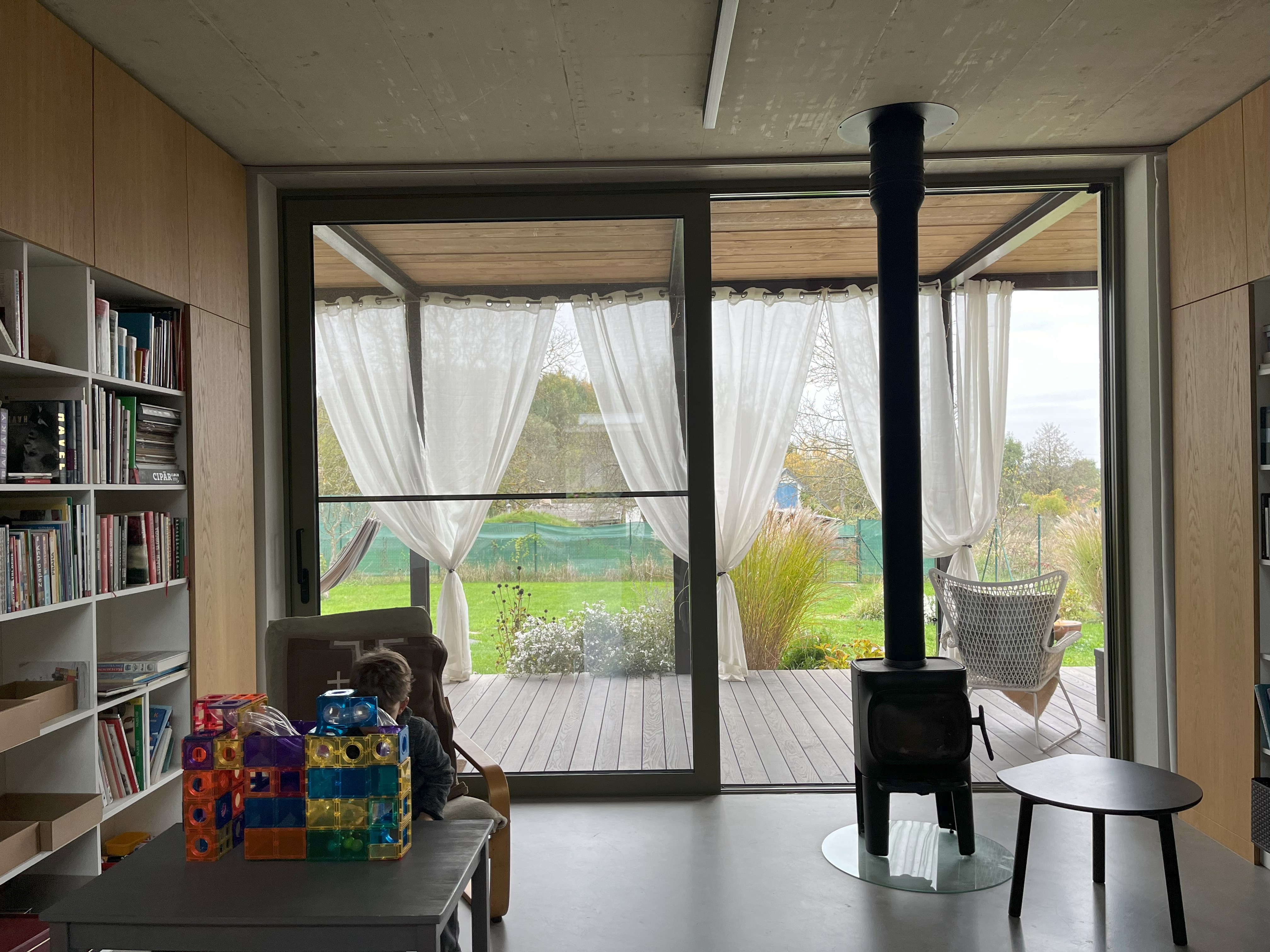
Are recycled materials weaker in some key properties? Not at all. All important properties such as mechanical strength and durability, insulating properties, resistance to weather conditions, and color consistency are comparable to non-recyclable alternatives. The greatest advantage of recycled PVC profiles is therefore their low carbon footprint. Recycling significantly reduces the amount of waste and consumption of new raw materials, contributing to sustainability in the construction sector.
Additional Climate Solutions – Reducing Building Energy Consumption
Windows play a key role in reducing energy consumption in buildings, primarily due to their insulating properties:
-
Triple glazing: Provides significantly better insulation compared to double glazing, reducing heat loss and heating costs.
-
Low-E coating: Helps reflect heat back into the interior during winter and maintains a comfortable temperature in summer, minimizing the need for heating and cooling.
-
Warm edge spacer: This insulating element between the panes reduces thermal bridging and increases the energy efficiency of windows.
What is a warm edge spacer? It is an insulating element used between panes in insulated windows. It prevents heat transfer through the edge of the glass and reduces thermal bridging, improving the window’s energy efficiency. Traditional spacers were often made of metal, which is a good conductor of heat, increasing heat loss. Warm edge spacers are made from less thermally conductive materials, such as plastic or special insulating compounds, leading to better insulation, reduced heat loss, and energy savings.
In addition to windows, other construction solutions are important for reducing energy consumption:
-
Green roofs and vertical gardens: Reduce temperatures in urban areas, improve air quality, and absorb rainwater, contributing to environmental sustainability.
-
Ventilation systems with heat recovery: Efficient ventilation reduces the need for heating and cooling, saving energy.
-
Insulation materials with high thermal resistance: Quality thermal insulation reduces heat loss in buildings, leading to lower energy consumption for heating and cooling.
Conclusion
Reducing the carbon footprint and energy consumption in construction is a key step in the fight against the climate crisis. From innovative solutions such as floating cities to energy-efficient windows made from recycled materials – the future of construction lies in sustainable and ecological approaches. If you need advice or guidance with your construction dilemmas, please contact us. We will be happy to help and advise.

You might be interested in