

 Home
HomeInsulating Glass with Enhanced Burglary Resistance (VSG Glass)
The primary purpose of this type of glass is to protect property by making it more difficult for a burglar to enter the interior. From a manufacturing technology standpoint, this is laminated safety glass (VSG).
Laminated Safety Glass (VSG)
It consists of two or more panes of glass bonded together by one or more strong interlayers (PVB – polyvinyl butyral). When broken, this interlayer holds the fragments together, preventing injuries and making it more difficult to enter the building. Glass manufactured in this way protects against burglary, vandalism, and simultaneously against injury from breakage. In addition, it can also provide fall-through protection—preventing falls from broken glass on upper floors without railings. It can be combined with tempered glass (ESG) for increased strength.
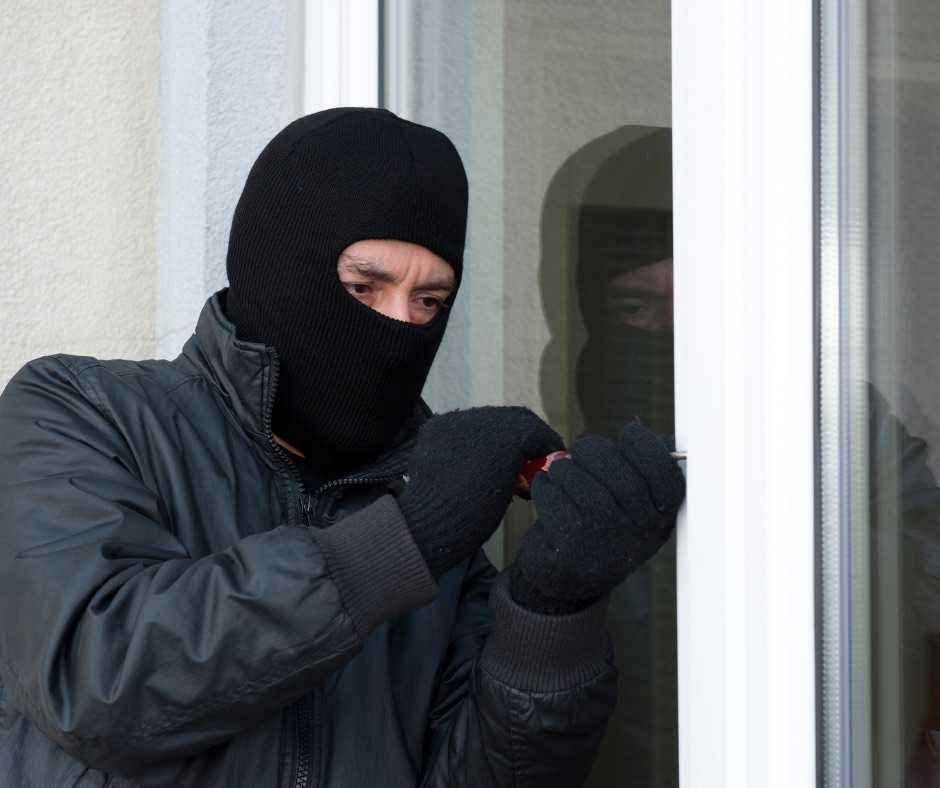
Security Window or Door—Glass Alone Is Not Enough
Glass with enhanced protection alone is not sufficient to make a window or door resistant to burglary. For an element to meet anti-burglary criteria, additional components must be installed in addition to VSG glass.
Laminated Does Not Mean Stronger
Laminated (VSG) glass is not stronger than standard glass—it will crack under similar stress. However, it is glass with greater thicknesses and therefore higher weight, which should be taken into account when designing the window.
Security Classes for Windows and Doors
Windows or doors are classified into standardized security classes RC1 through RC6. The abbreviation RC stands for Resistance Classes. Each class expresses the resistance of windows to attempted breach during burglary or other forced entry. For burglary resistance, the mandatory standard is EN 1627 – Doors, windows, curtain walling, grilles and shutters – Burglar resistance – Requirements and classification.
Insulating Glass with Enhanced Injury Resistance (ESG Glass)
The primary purpose of this glass is health protection. Prevention of serious cutting injuries if the glass breaks (e.g., from impact by playing children). From a manufacturing technology standpoint, this is tempered (toughened) ESG glass.
Tempered Glass Does Not Mean Unbreakable Glass
When broken, it shatters into thousands of small, blunt fragments that do not cause deep cutting wounds. It has high resistance to impact on its surface, but if its strength is exceeded, it will shatter.
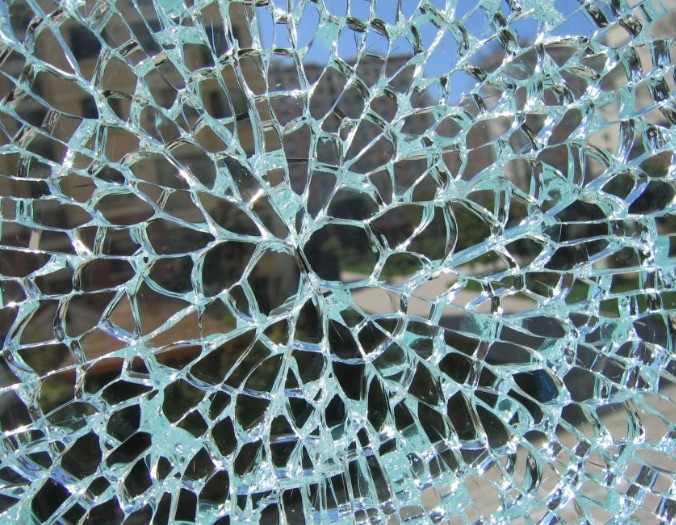
From a technological standpoint, this is thermally treated glass produced by tempering at temperatures above 600°C followed by rapid cooling. This process increases its strength, flexibility, and impact resistance up to 5-fold.
Stronger and Thinner Than VSG
Tempered glass is stronger than standard glass and is difficult to break; compared to VSG glass, it can be thinner (which allows weight savings). It is resistant to external stresses that could result in thermal breakage and glass cracking.
Injury Protection Defined by Standard
Standard STN 74 6200 External Windows, Doors and Glazed Walls establishes general requirements for the design, manufacture, installation, and inspection of external windows, doors, and glazed walls. It is essential for ensuring the quality, safety, functionality, and long service life of opening infills, defining criteria such as installation joints, anchoring, insulation, and visual assessment.
Large Floor-to-Ceiling Windows Present Increased Risk, Especially for Children
The current trend toward large windows has necessitated consideration of protecting people, especially children, who may more easily collide with glass surfaces and be injured by shards or fall from windows. The aforementioned standard addresses the protection of people from injury with windows and glass extending less than 0.5 m from the floor.
Safety Glass with Fire Protection
Fire-resistant safety glass offers various types and degrees of fire resistance (EW) and fire safety (EI). It is also resistant to UV radiation. It is suitable for both vertical and horizontal structures and can be used in interiors in the form of interior doors and partition walls or in exteriors for windows and curtain walls.
The glass is typically manufactured from multiple tempered ESG panes and one or more thermo-reactive gel interlayers.
Interlayers Activate During Fire
In the event of fire, the gel interlayer activates—it expands, increases in volume, becomes opaque, and forms a protective shield against the penetration of heat, smoke, and toxic gases, which it can withstand for up to 120 minutes. The opacification of the glass during fire prevents visibility and the onset of panic.
Special Glass with Explosion and Ballistic Protection
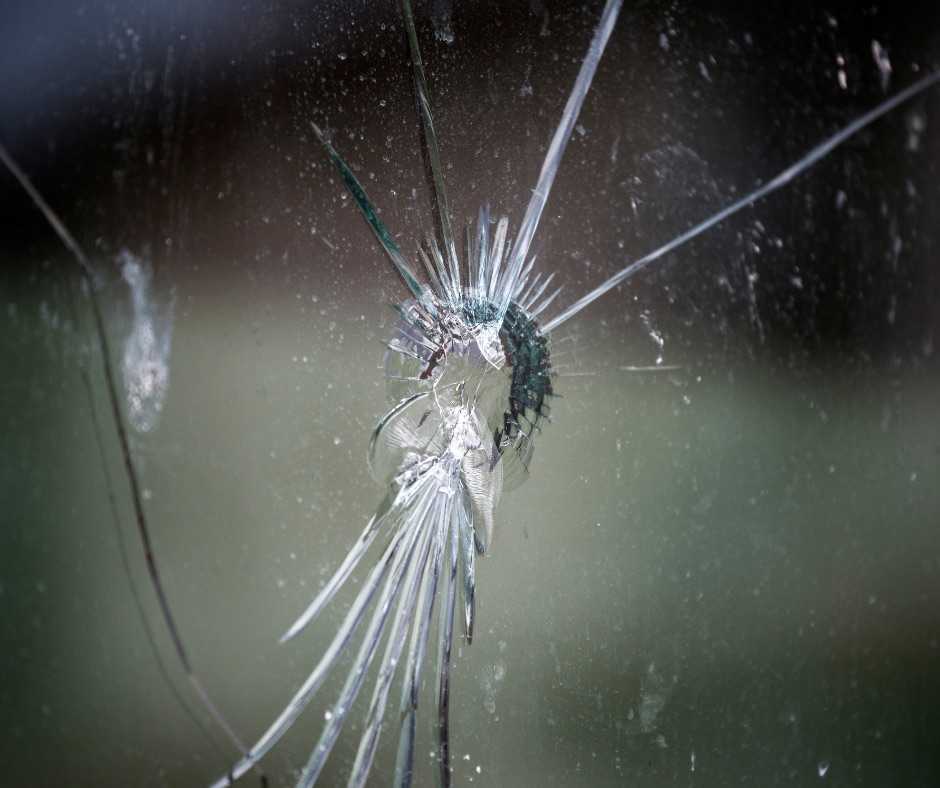
There are also special glasses with high-security functions such as protection against explosions and ballistics.
Conclusion: Not All Safety Glass Is Created Equal
Safety glass can therefore be glass manufactured in various ways providing different functions—from protection against burglary, protection against injury from shards, protection against fire or explosions, or ballistics. Each of these glasses has different properties and is manufactured using a different technological process. Some properties can be combined, but when we speak of “safety glass” as such, it is important to specify which of the aforementioned safety perspectives we have in mind.

You might be interested in